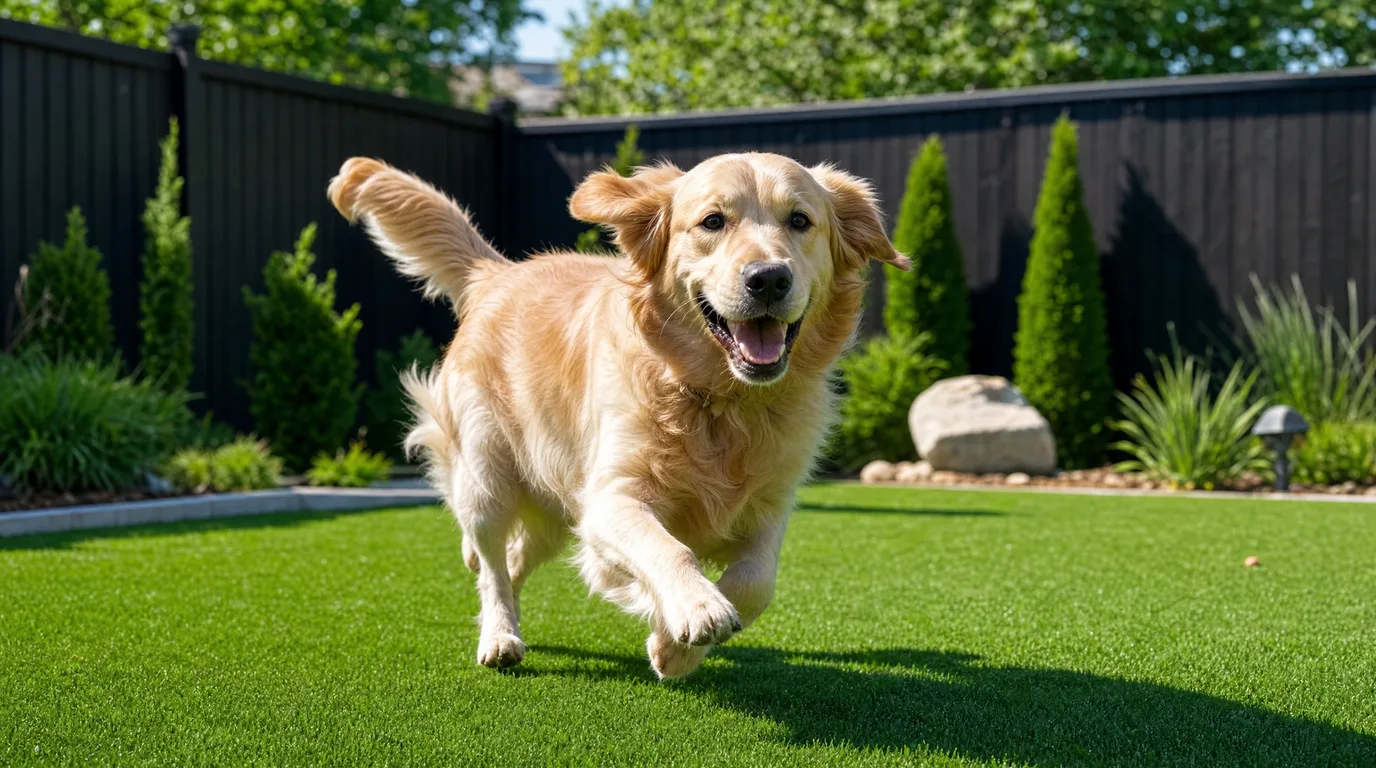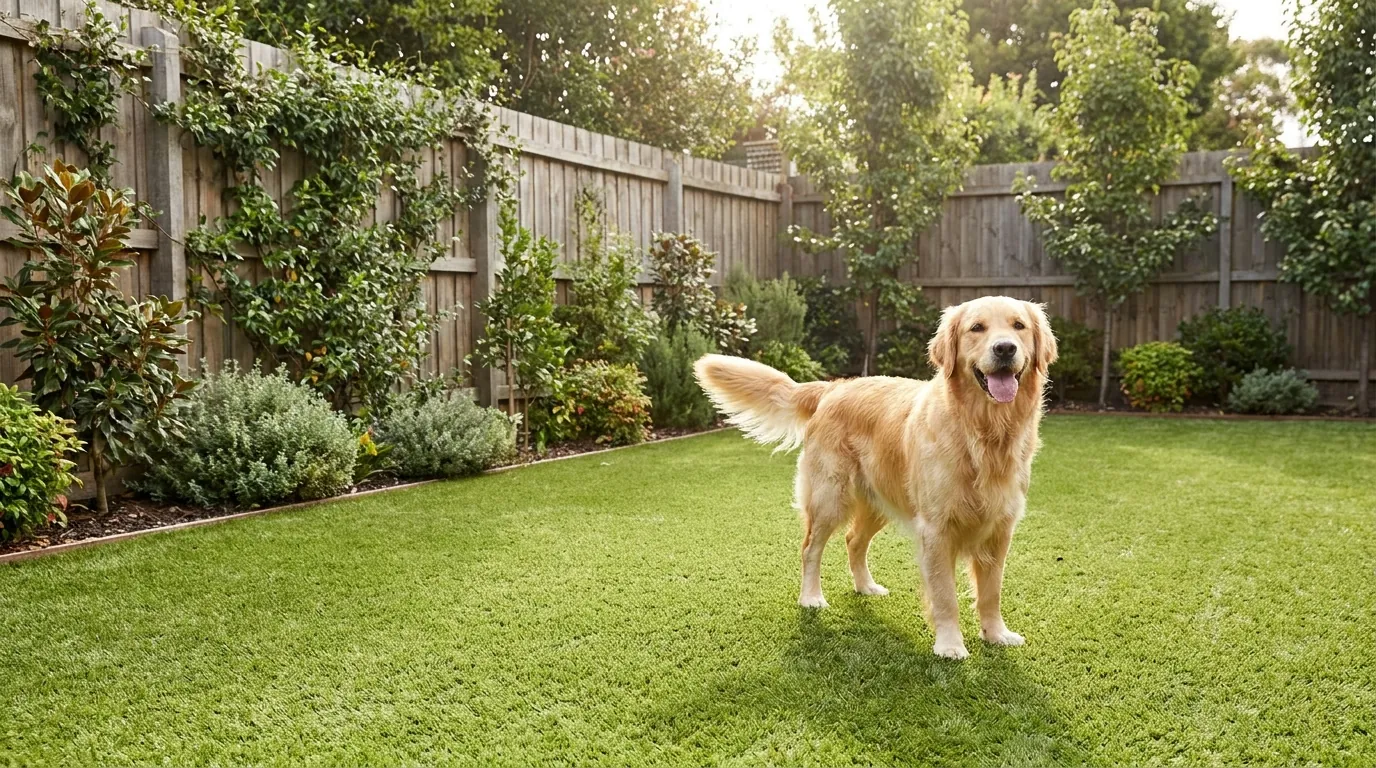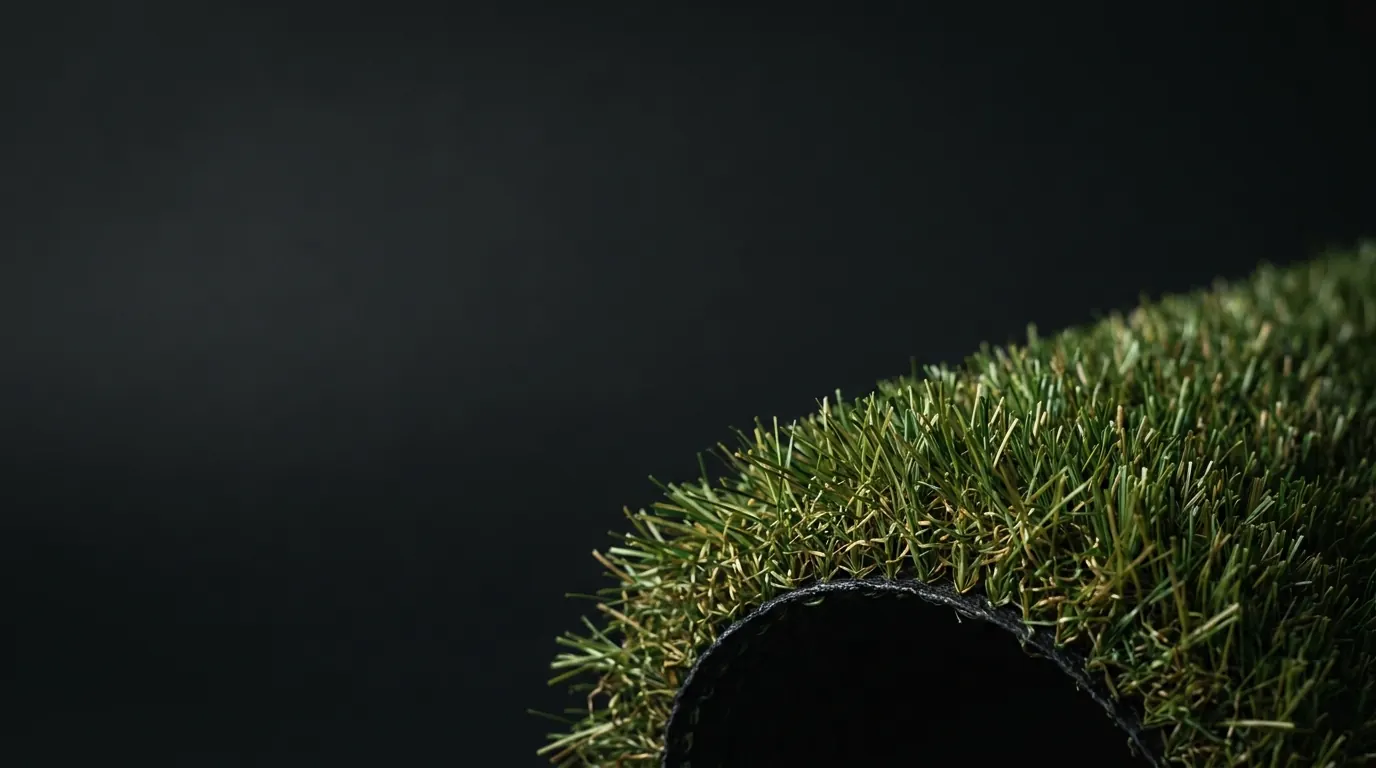
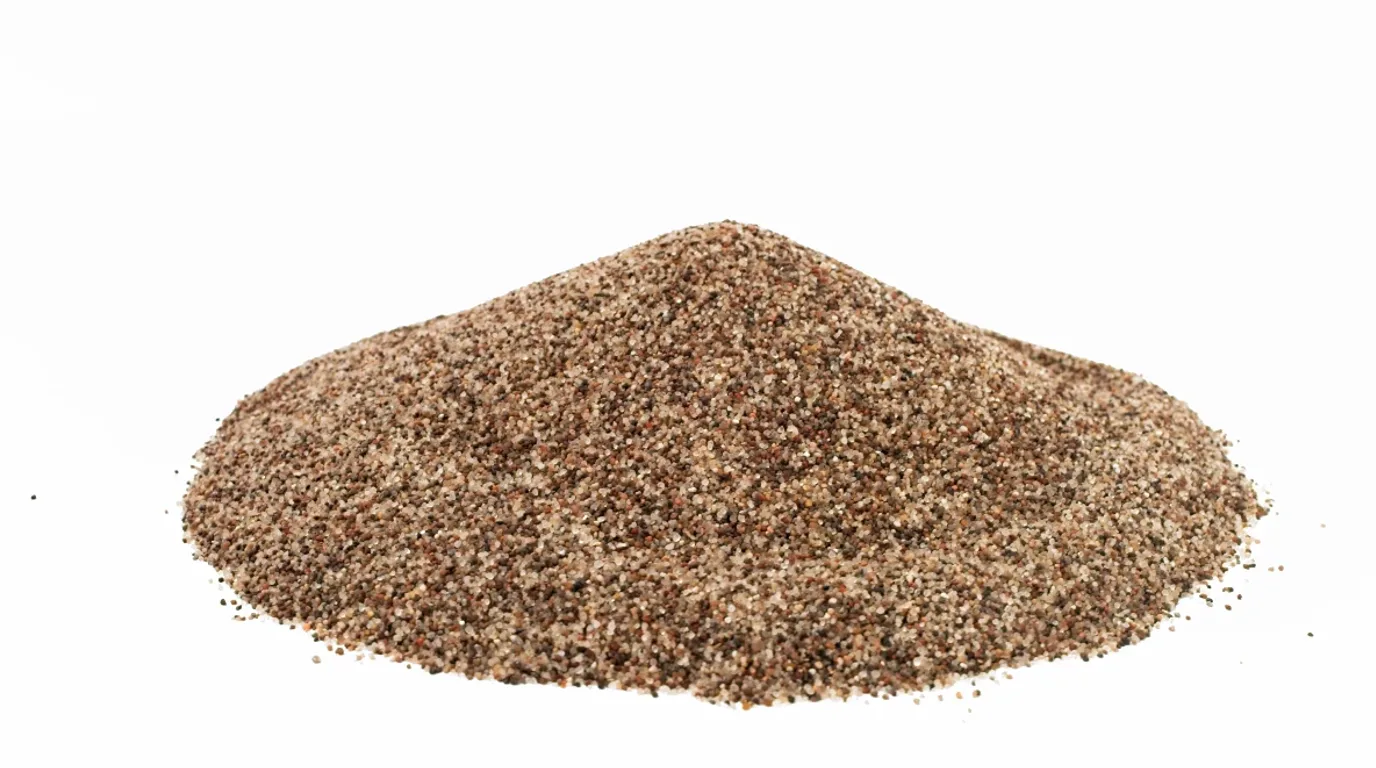
Infill is the part of an artificial turf system nobody thinks about until something goes wrong — and then it’s the only thing they think about. It’s the sandy stuff down at the base of the blades. (I’ve been doing this for years and I still call it “the sandy stuff” half the time.) Boring as it looks, the infill for artificial turf is doing four jobs at once, and picking the wrong type is how a perfectly good lawn ends up flat, hot, or smelling like a kennel by July.
Here’s the thing most people don’t realize: infill isn’t one material. It’s a category. Plain silica sand, coated sand, zeolite, crumb rubber, and a handful of organic options each do a slightly different job, and the right one depends entirely on what your turf is for. If infill is the bassist of the turf system — unglamorous, easy to ignore, holding the whole thing together — this is the part where we finally give the bassist a solo.
TL;DR — Quick Answer
Turf infill comes in a few types, each with a job. Plain silica sand is the cheap, all-purpose ballast that keeps blades upright. Coated or rounded sand adds drainage and an antimicrobial surface. Zeolite traps ammonia for real pet-odor control. Crumb rubber cushions sports fields but runs hot. For a general lawn, silica; for a dog yard, zeolite; for a backyard, skip the rubber. Whatever you pick, use enough and top it off yearly.
General lawn
Silica sand
Pet odor
Zeolite (PetFill Pro)
Sports cushion
Crumb rubber
Biggest mistake
Using too little
How Much Infill Do You Need?
Enter your square footage and pile height and the calculator tells you how much infill to order — plus turf and base materials in the same pass.
Table of Contents
Key Takeaways
- Infill isn't one material — silica sand, coated sand, zeolite, crumb rubber, and organic options each do a different job.
- It's not optional: infill keeps blades upright, weighs the turf down so it doesn't wrinkle in heat, helps it drain, and keeps it cooler.
- Plain silica sand does nothing for odor — a zeolite infill like PetFill Pro is the real fix for a pet yard.
- Crumb rubber cushions sports fields but runs hot in the sun and isn't the pick for a residential lawn.
- Use enough and top it off about once a year — skimping on infill is the single most common DIY regret.
What Infill Does and Why You Need It
Before the types, the why. Infill earns its keep four ways, and skipping it undoes a good install.
It keeps the blades standing. Without infill weighing down the base, the fibers flop over and mat into a flat, shiny carpet — the dead giveaway of cheap-looking turf. It adds ballast so the turf doesn’t shift or wrinkle when it expands and contracts in the heat. It helps the surface drain and stay a little cooler in full sun. And in a pet yard, the right infill is the difference between a fresh lawn and a smell no spray will fix.
That’s why “do I need infill” is the easiest question in this whole post. Yes. The real questions are which type and how much — and for the how-much, our guide to infill amounts does the per-square-foot math. This post is about the which.
The Main Types of Turf Infill
Five materials cover almost every install. Here’s what each one actually is and where it belongs.
Silica sand. The workhorse. It’s exactly what it sounds like — fine, angular sand — and it’s the cheapest, most common ballast. It keeps blades upright and weighs the turf down at a price nothing else touches. Our Natural Blend infill is a silica sand that runs $7.50 for a 50 lb bag in Arizona. One handling note: dry silica dust isn’t something you want in your lungs. OSHA’s overview of respirable crystalline silica is the reason every pro mists the sand and wears a dust mask while spreading it — a two-dollar habit worth keeping.
Coated and rounded sand. Silica sand’s fancier cousin. The grains are rounded and given an acrylic or antimicrobial coating, so it flows better, drains faster, resists bacteria, and doesn’t compact as hard. Envirofill and similar products live here. It costs more than plain silica, and for a lot of yards it’s a reasonable upgrade.
Zeolite. This is the pet-odor specialist, and it’s not marketing. Zeolite is a natural volcanic mineral that traps and neutralizes the ammonia in urine through ion exchange — the same property that peer-reviewed research on natural zeolite credits for its ammonia-adsorption performance. Plain sand can’t do that. Our PetFill Pro is a zeolite infill built for dog runs and pet yards.
Crumb rubber. Recycled tire granules. It adds cushion and bounce, which is exactly why it shows up under sports fields and play surfaces. For a backyard lawn we steer away from it: it runs hotter than sand in full Arizona sun, and the little particles track indoors onto your floors. Right tool, wrong yard.
Organic and bio infills. Cork, coconut husk, and walnut-shell blends. They run cooler and appeal to the eco-minded, but they hold moisture and break down sooner than mineral infills, so they’re a niche pick rather than a default.
Turf Infill Types Compared
Same information, one glance. Pick the row that matches your yard.
| Infill type | Best at | Watch-outs | Our product |
|---|---|---|---|
| Silica sand | Cheap, all-purpose ballast; keeps blades upright | No odor control; mist it and mask up when spreading | Natural Blend — $7.50 a 50 lb bag (AZ) |
| Coated / rounded sand | Drains well, flows easily, antimicrobial surface | Costs more than plain silica | — |
| Zeolite | Traps ammonia for real pet-odor control | Pricier; top it up over time | PetFill Pro — $22 a 50 lb bag (AZ) |
| Crumb rubber | Cushion and bounce for sports fields | Runs hot in sun; tracks indoors; not for lawns | — |
| Organic / bio (cork, coconut) | Cooler surface, eco-minded | Holds moisture; breaks down sooner | — |
Prices are Arizona yard pricing; Utah runs slightly higher on infill. Turf per-square-foot prices are the same in both states.
Which Infill for Which Job
Strip away the brand names and it comes down to matching the material to how the turf gets used.
A general front or back lawn? Silica sand. It does the structural job for the least money, and a decorative lawn doesn’t need anything fancier.
A dog run or pet area? Zeolite, full stop. This is the one place not to cheap out — plain sand under a dog run is how a yard starts announcing itself in July. Pair it with a free-draining pet turf setup and you’ve solved odor at the source.
A putting green? Silica sand, and more of it than a lawn — the sand is what trues up the ball roll. Brush it deep and roll the surface for speed.
A sports or play surface? This is crumb rubber’s home turf, where the cushion matters more than the heat. For a backyard, though, stick with sand.
A hot, full-sun yard? A coated or organic infill runs a touch cooler than raw silica, and a yearly rinse helps more than any infill choice. Honest beats hype — no infill makes turf cool in 110-degree sun, but the right one helps.
How Much Infill Do You Need?
Type is half the decision; amount is the other half. A rough rule of thumb is one to three pounds per square foot depending on pile height, but “rough” isn’t how you want to order materials by the pallet. Run your square footage and pile height through the artificial turf calculator and it outputs the infill, turf, and base in one go, then our infill amount guide walks the math if you like to check the work.
And infill isn’t a one-time thing. It migrates and compacts toward the edges over the years, fastest in the traffic lanes. Check the level about once a year, brush fresh infill into the thin spots, and the turf holds its look for a decade. Cheap insurance for something that looks expensive.
Infill Mistakes to Avoid
Four ways the sandy stuff goes wrong. Every one is avoidable.
Plain Sand in a Pet Yard
Silica sand does nothing for ammonia. The smell people blame on 'cheap turf' is almost always plain sand under a dog run. Use a zeolite like PetFill Pro.
Skimping to Save a Few Bags
Too little infill and the blades flatten, the surface runs hot, and the turf wrinkles in the heat. It's the single most common DIY regret we see.
Crumb Rubber on a Backyard
Recycled tire infill cushions a sports field but runs hot in full sun and tracks indoors. For a home lawn, sand or a coated product is the call.
Forgetting to Top It Off
Infill migrates and compacts toward the edges over time. Check it once a year and brush fresh infill into the worn lanes before the blades mat down.
Not Sure Which Infill Your Yard Needs?
Tell us the turf and how it's used — lawn, pets, putting, or play — and we'll match the infill and the amount. Contractor pricing for everyone across Arizona and Utah.
- 4.9 from 300+ reviews
- 12-year manufacturer warranty
- Pickup & delivery, AZ & UT
What Customers Say
5.0 from 480+ verified Google reviews
They were super easy to deal with and have great prices! The turf colors look great and our dog loves it!
Great communication, great quality turf and great price! Went with their lush primo
Expert Tips
— Bennett Brown, Co-Founder
Match the Infill to the Job
Silica for a general lawn, zeolite for pets, rubber only for sports. Don't pay for what you don't need, and don't skip what you do.
Zeolite Is the Pet Fix, Not a Spray
Sprays buy you a day. A zeolite infill like PetFill Pro neutralizes ammonia at the source, so the dog run stays fresh through the summer.
Use Enough — It's Not Optional
Infill holds blades up, cools the surface, and weighs the turf so it doesn't wrinkle in the heat. Skimping to save a few bags is the regret I hear about most.
Mask Up Spreading Dry Sand
Dry silica dust isn't something to breathe. A cheap dust mask and a light misting keep it down — a habit every pro keeps.
Top Off Once a Year
Brush fresh infill into the traffic lanes annually. A few minutes and a bag or two keeps the turf upright and looking new for a decade.
— Bennett Brown, Co-Founder
Related Services
Infill is the cheapest part of a turf project and the easiest to get wrong — which makes getting it right one of the better deals in the whole job. Pick the type that matches your yard, use enough of it, and top it off once a year. We stock the Natural Blend and PetFill Pro at the yard, with the straight answers, across the Arizona service area from Mesa and across Utah from Provo — call Mesa at (480) 910-2440 or Provo at (385) 335-9042, and grab a free sample. We’ll help you pick it, price it, and load it. We’ll even tell you it’s “the sandy stuff” at least once, because some habits are load-bearing.