A seven-step workflow that takes you from a rough sketch to a finished plan — measure, choose a product, estimate materials, decide DIY vs contractor, and request a free quote.
A straightforward sequence we’ve walked through with thousands of Arizona and Utah customers — from a sketch on the back of a napkin to a finished lawn.
1Step 1.
Choose Your Project Type
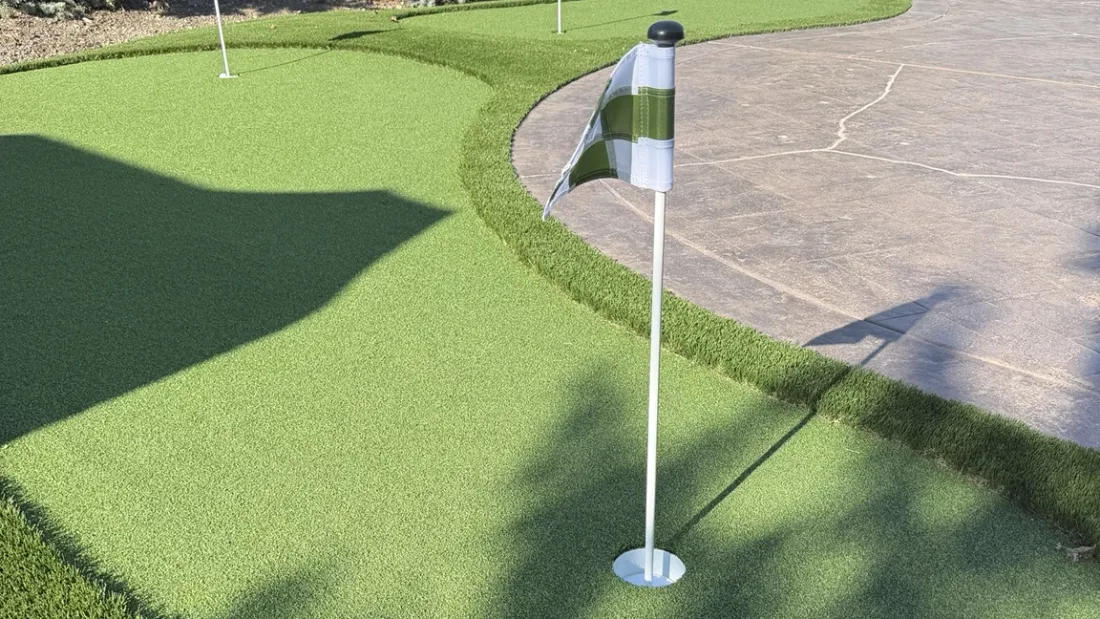
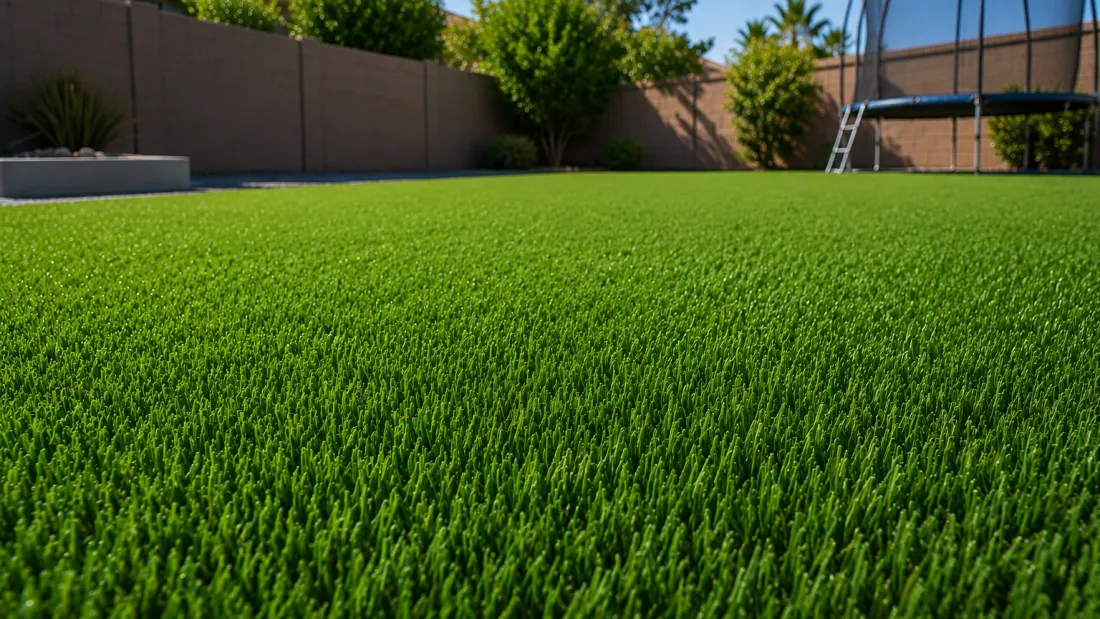
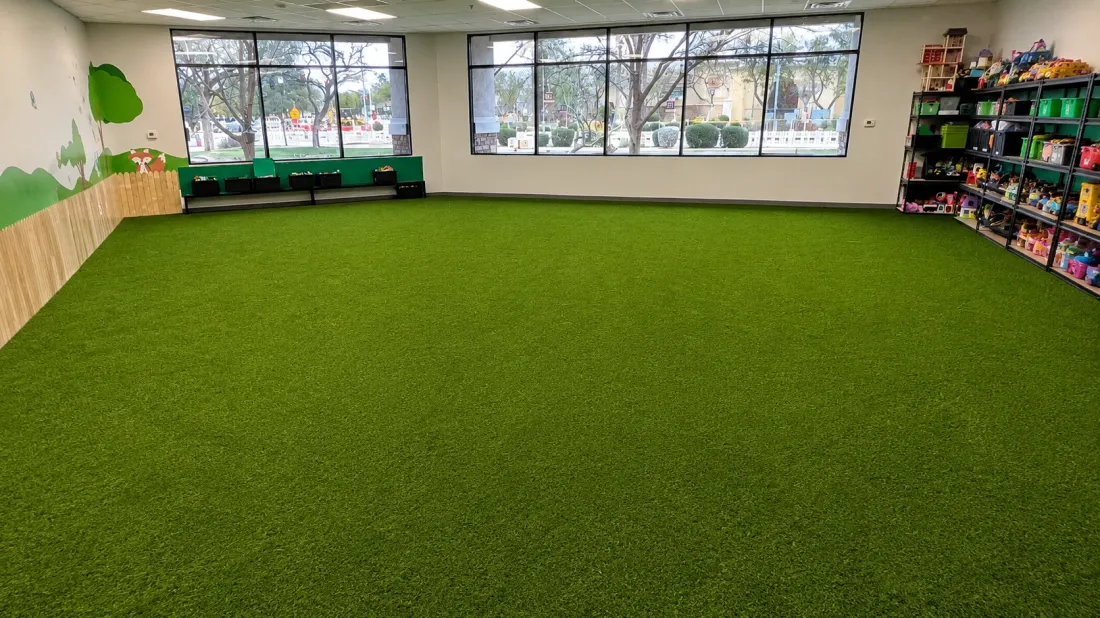
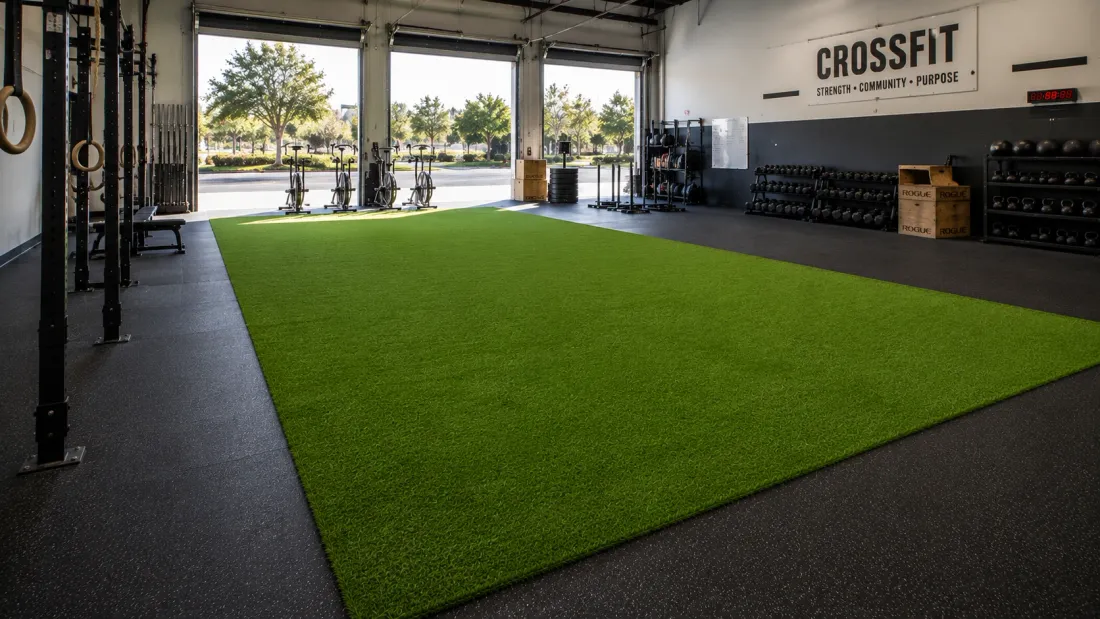
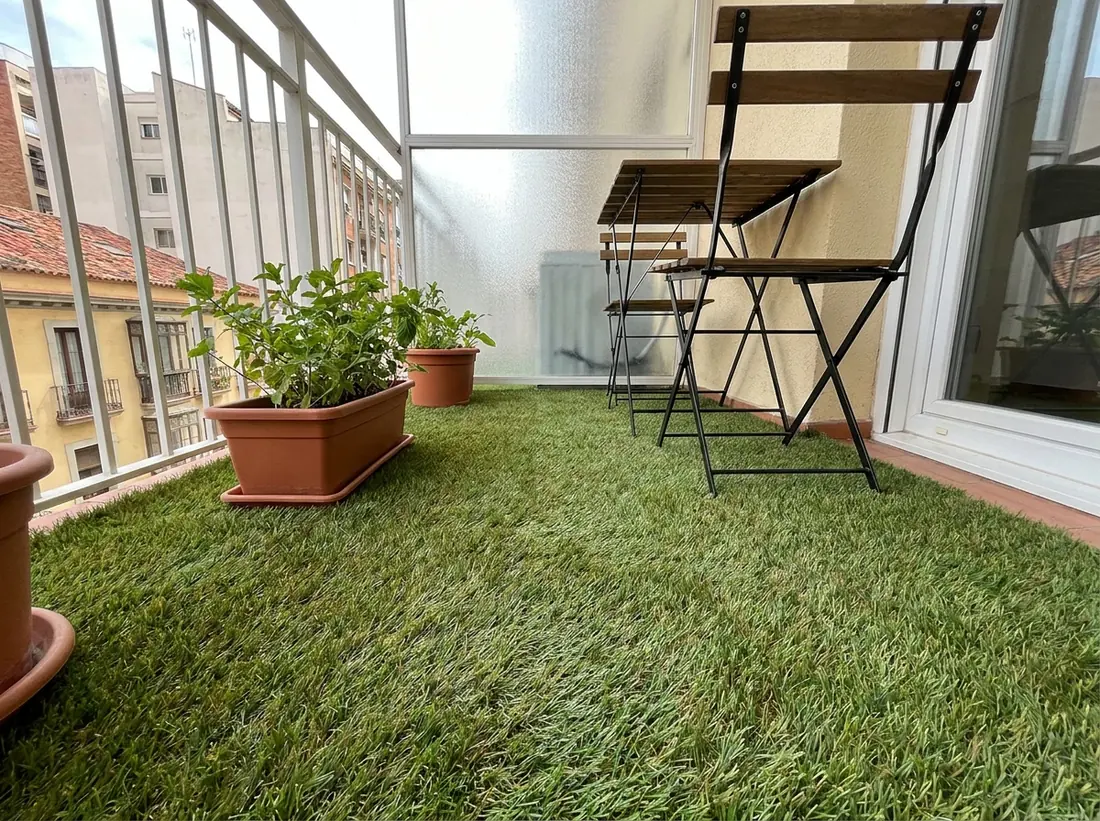
Start with the use: a residential lawn, pet run, backyard putting green, balcony or patio, commercial landscape, or sports surface. The use sets the turf product, infill rate, base depth, and edging — and changes the budget more than any other single decision. If you’re mixing uses (a family backyard with a dog run and a small putting green), plan each zone separately.
2Step 2.
Measure Your Space
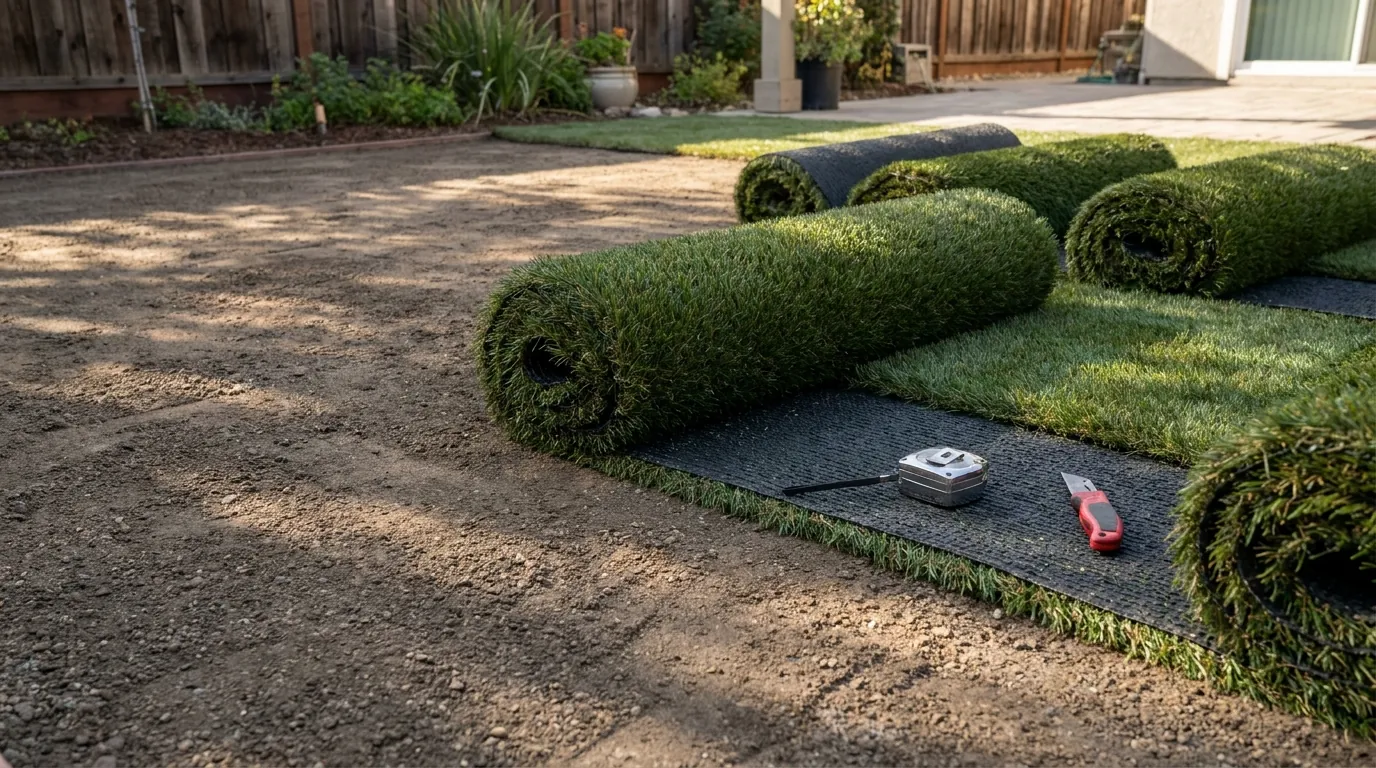
Sketch the area on paper, even rough, and measure length × width in feet. Break irregular shapes into rectangles, sum them up, and add roughly 5–15% for roll-width waste and seams. Note slopes, edges, gates, sprinkler heads, and obstacles — they all affect base prep and how much extra material you’ll need. See the measuring section below for examples.
3Step 3.
Select Your Turf
Match pile height, density, fiber type, and durability to your look, traffic, and budget. Lush Primo is our densest premium pick; Lush 80 is a premium pet-friendly all-rounder; Lucky 77 is a durable contractor favorite in our darkest green; Lush 70 is the value tier in narrower 12-ft rolls. Putting greens use a dedicated short-pile product. Order free samples to feel them in person before you commit.
4Step 4.
Estimate Your Materials
Run your dimensions and product through the artificial turf calculator for turf-to-purchase, waste, seams, infill bags, and a materials-only cost range with regional tax. Use the sub-base calculator for crushed-rock or DG volume at your chosen depth. Together they give you the full materials picture — turf, infill, nails, and base — before you talk to a contractor or place a pickup order.
5Step 5.
Decide DIY Or Contractor
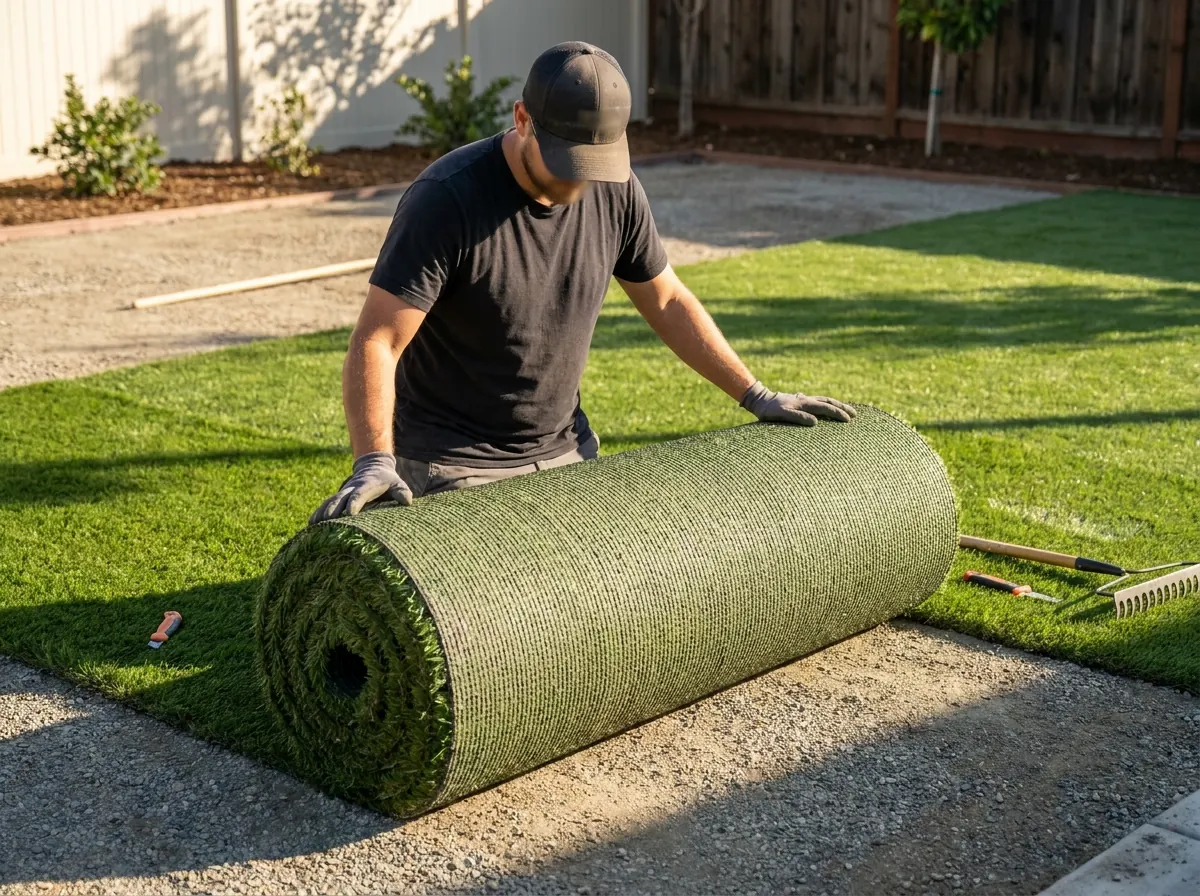
Small, simple rectangular layouts on flat ground are a fair DIY project if you can handle excavation, base compaction, seams, and infill. Larger lawns, sloped or terraced lots, putting greens (which need contour and a true roll), and any project requiring demolition of existing concrete or sod are usually better with a contractor. See the DIY-vs-contractor breakdown below for a clearer decision framework.
6Step 6.
Plan Pickup Or Delivery
Pickup at our Mesa, AZ yard (328 N. Gilbert Road) and Provo, UT yard (748 N. 1890 West, Suite 27) is free on standard stock — often same-day for typical residential quantities. For pallet orders, call ahead so we can stage everything when you arrive. Delivery is mileage-based and quoted on request; East Valley AZ and Utah County UT projects usually skip delivery entirely.
7Step 7.
Request A Quote
Send your plan to The Turf Yard with your square footage, primary use, chosen product (or "help me pick"), city, and DIY-vs-contractor status. A turf expert will follow up with current pricing, sample availability, and pickup or delivery logistics. If you ran the calculators, share the totals — that speeds up the conversation and gets you a tighter, faster quote.
DIY vs Contractor: Which Is Right For Your Project?
We supply homeowners doing it themselves and the contractors who install full-time, so we don’t have a dog in this fight — what follows is a practical decision framework. The right answer comes down to project size, layout complexity, ground conditions, and how much weekend time you’re willing to spend swinging a tamper.
When DIY makes senseYou handle the install
When to hire a contractorPro handles the install
What contractors need from youBring this to the quote
Small to mid-size projects — typically under 800 sq ft — with a simple rectangular layout on flat ground are the sweet spot for DIY. Think back-yard play patches, side yards, pet runs, balcony or patio surfaces, and small front-yard sections. If you’re handy, can rent a plate compactor for a weekend, and the area is already cleared or close to it, the labor savings on this scale are real.
Large lawns (over ~1,500 sq ft), sloped or terraced lots, projects with demolition of existing concrete or sod, complex curved layouts, multi-seam installs, putting greens (which need contour and a true roll), and any pet-yard install with drainage concerns are usually better with a contractor. The labor cost is real, but so is the risk of doing base prep wrong — a poorly compacted base will telegraph through the turf within a year.
Walking in with a clear scope speeds up the quote and avoids surprises. Have your square footage, primary use (lawn / pet / putting), site photos (current condition + access for materials), any HOA requirements, and your preferred turf product or "help me pick." Contractors quote sharper, faster when the basics are nailed down — and you can use the calculators to ground-check their materials line item.
Measuring is the single planning step that pays the biggest dividend — every square foot you miss is one you’ll either short-order or pay extra delivery fees to add later. Bring a 25- or 50-foot tape, a piece of paper, and a pencil. Spend ten minutes on this and you’ll save yourself the headache.
Simple Rectangular Spaces
Length × width in feet, full stop. A 20 ft × 30 ft backyard = 600 sq ft. Round measurements up to the nearest foot — turf is sold by the foot in length, and you won’t miss the rounding error but you will miss being short. Use the long side of the area to set roll direction (rolls are 12 or 15 ft wide) so seams run in the direction least visible from the patio or house.
Irregular Shapes And Curved Edges
Break the shape into rectangles and add them up. An L-shaped yard with one 20×20 wing (400 sq ft) and one 10×15 wing (150 sq ft) totals 550 sq ft. For curved edges (kidney-shaped lawns, lawns around patio cutouts), measure to the outer extent of the curve — you’ll cut waste at install but you won’t come up short. Sketch as you go; a rough drawing with measurements written in is enough for a contractor or our team to scope materials.
How Much Extra To Order (Waste & Seams)
Plan on 5–15% extra material beyond your installed area, depending on layout. A square that’s a multiple of the roll width (15 or 12 ft) lands near the low end of that range; a long narrow strip or an L-shape with multiple seams lands near the high end. The turf calculator on this site computes the exact "turf to purchase" number from your dimensions and chosen roll width, so you don’t have to guess.
Fill in your project details, tick off what applies, then download a clean one-page PDF to bring to your contractor or attach to a quote request. Your progress saves automatically as you go.
Start by choosing your project type and measuring the area. From there, pick a turf product, estimate your materials with our calculators, decide whether to DIY or hire a contractor, and request a quote. This page walks you through each step.
How do I measure my space?
Sketch the area and measure length by width in feet. Break irregular shapes into rectangles and add them up, then add about 5–15% for waste and seams. Note slopes and obstacles, since they affect base prep and labor.
Which calculator should I use?
Use the artificial turf calculator to estimate how much turf and infill you need, and the sub-base calculator to estimate base material and depth. Together they give you a full material picture before you request a quote.
It depends on your square footage, layout, and use. Our calculators estimate turf (plus waste), base material and depth, and infill. For exact quantities and current pricing, send your plan to our team for a free quote.
DIY can save on labor for smaller, simpler layouts if you can handle base prep, compaction, and seaming. Larger yards, complex shapes, pet drainage, and putting greens are usually better with a contractor. We supply both DIY customers and the trade.
Both. You can pick up at our Mesa or Provo yard, or we can deliver across our Arizona and Utah service areas. Contractors can arrange jobsite delivery or scheduled will-call pickup.
Once you know your square footage, product, and use, contact The Turf Yard for current pricing and a free, tailored quote. Share your calculator estimates to speed things up.
Most of our turf comes in 15 ft wide rolls (Lush 70 is 12 ft) and is custom cut to your length, up to 100 ft. Planning your layout around the roll width keeps seams and offcuts to a minimum, so it pays to sketch the area and run the turf calculator before you order.
A typical residential lawn (500–1,500 sq ft) takes a professional crew one to three days from demolition through infill broom-in — sometimes a single long day for smaller projects on prepared ground. DIY installs run longer, especially the base-prep stage. Demolition of existing concrete, complex layouts, putting greens, and large commercial projects extend the timeline. Plan a buffer for material delivery if you’re not picking up at the yard.
Do I need a permit for artificial turf in Arizona or Utah?
Permits aren’t usually required for a typical residential lawn replacement in either state, but HOA approval often is — especially in master-planned communities in Gilbert, Chandler, Scottsdale, Sun City Grand, and DC Ranch. Some Salt Lake Valley cities have specific landscape ordinances around water-conservation conversions. Confirm with your HOA and your municipal planning department before you order; the answer is usually quick, and it’s cheaper to ask than to redo.
What’s the best time of year to install turf in Arizona or Utah?
You can install year-round in both states, but October through April is the most comfortable window in Arizona — base prep in 110°F summer heat is brutal on a crew. In Utah, spring through fall (April–October) avoids frozen ground; winter installs are possible but base compaction is harder when the soil is frozen or saturated. Spring is the highest-demand season in both states, so book contractors and yard pickups early.
How do I prepare the ground for artificial turf?
Ground prep is the single biggest determinant of how long a turf install lasts. Standard process: remove existing sod or surface material (typically 3–4 inches deep), grade for drainage, lay a weed barrier, add 2–3 inches of compacted crushed aggregate or decomposed granite, and screed it flat. Pet areas often add a permeable backing layer. The sub-base calculator estimates how much base material your area needs at your chosen depth.