We update this post as the market actually changes, not on a calendar — last reviewed June 2026.
Here’s the short version of artificial turf trends 2026: most of them are real, a few of them matter to your yard, and a couple are just a nicer word for “the same turf, slightly greener.” I sell this stuff for a living and I still can’t say the phrase “next-generation fiber” with a straight face. So instead of listing every buzzword, I’ll sort the trends by the only test that counts — does it fix a problem you actually have. Heat, drainage, dogs, the look, the water bill. If a trend touches one of those, it’s worth your money. If it touches a brochure, it isn’t.
I’ll tie each one back to turf we actually stock and install across Phoenix and into Utah, so this isn’t theory. It’s what’s on our sample boards. Two of the trends below get their own deep dives — whether turf gets too hot and how long artificial turf lasts.
TL;DR — Quick Answer
The artificial turf trends worth your money in 2026 are the boring, performance ones: cooler multi-tone W-shaped blades, polyurethane drainage backing, and the right infill for pets or kids. Recyclable and organic-infill turf is growing but not universal, and 'American-made' matters less than the spec sheet. Buy the specs that fix your actual problem — heat, drainage, dogs — and let the buzzwords go.
Trend that matters most
Cooler multi-tone blades
Most overrated signal
'American-made' alone
Real sustainability win
Water you stop using
Warranty on all our turf
12-year manufacturer
Cutting Through the Turf Buzzwords?
Tell us what your yard actually needs — heat, drainage, pets, or budget — and we'll match it to real specs, with a free sample and a free quote.
Table of Contents
Key Takeaways
- Cooler blades are the trend that earns its hype — multi-tone W-shaped fibers and heat-reflective pigment cut peak surface temperature, but nothing makes turf cold in full Phoenix sun.
- Drainage backing is the upgrade nobody photographs — polyurethane backing with quadruple drainage holes outlasts old latex-only turf on caliche and freeze-thaw ground.
- Infill is where the real decisions live — antimicrobial or zeolite for pets, silica for decorative, organic for low-synthetic households. It does more than any blade trend.
- Recyclable turf is improving but not universal; the reliable sustainability win in our region is still the irrigation water you stop using.
- 'American-made' is mostly a marketing signal — pile height, backing, and drainage rate tell you more than the country of origin, and all our turf carries a 12-year manufacturer warranty.
Cooler Blades: The Trend That Earns Its Hype
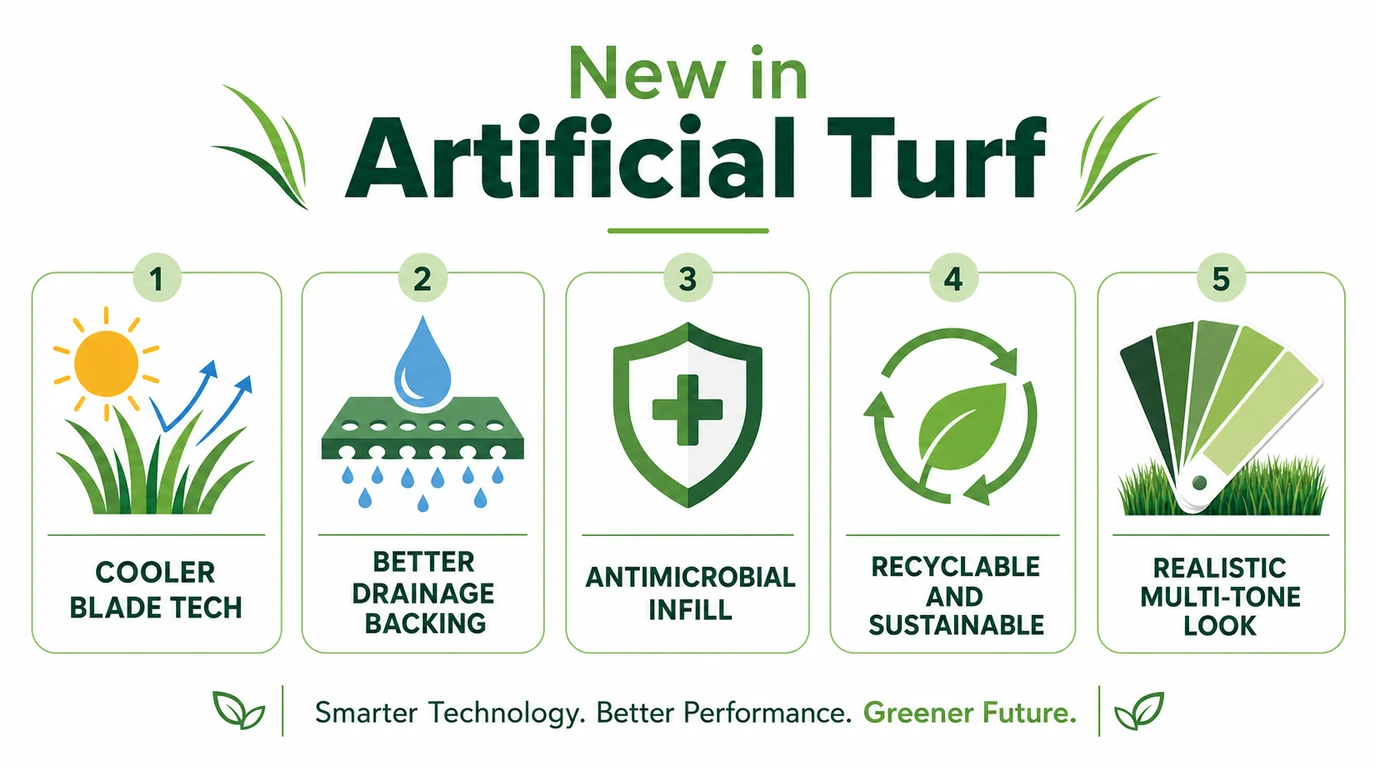
The blade — the individual synthetic grass fiber — is where most of the real work has landed, and this is the trend I’ll defend. Older turf was one or two flat shades of green that lay down under foot traffic and reflected heat straight up at you. Newer blades do two useful things at once.
First, shape. A W-shaped, C-shaped, or S-shaped blade springs back better and scatters light at different angles instead of bouncing it back like a mirror. Our W-Blade products — Lush 70, Lucky 77, and Lush 80 — use that W shape specifically because it stands up to traffic and helps manage surface temperature. The Lush Primo uses a softer C-blade for plushness, which is the trade-off you make when curb appeal beats a hard-traffic dog run.
Second, pigment. Some fibers now carry heat-reflective pigment baked into the blade itself. This is where I have to be the guy who reads the small print: nothing makes turf cold in a Valley July. But heat-reflective pigment plus a multi-tone blade does lower the peak surface temperature compared to old single-color flat turf. University turf-science work backs this up — Penn State’s testing found fiber color and infill color both move surface temperature, and that watering a hot surface drops it fast. If you’ve ever wondered why turf gets warm at all, it’s the same reason a parking lot does — the EPA’s heat-island research explains how dark, dry surfaces bank solar heat. So the cooler-blade trend is real. Just don’t read “heat-reducing” as “ice rink.”
The honest buyer’s move: pick a heat-reducing W-Blade, pair it with a lighter-colored turf infill instead of black crumb rubber, and keep a hose handy. That combination is the trend working. A “stays cool” sticker on its own is the trend on a brochure.
Backing and Drainage: The Part Nobody Photographs
Backing never makes the trend lists because you can’t photograph it for a moodboard. It’s also the part that decides whether your install is still flat in year ten, so let me give it the airtime the blade gets.
Polyurethane backing has largely replaced old latex-only systems at the quality end of the market. PU holds its shape better over time, shrugs off moisture, and drains faster. All our turf uses a double-PP backing with a polyurethane coating and quadruple drainage holes — which matters more here than almost anywhere. In Arizona we’re often digging through caliche, and we need every drainage component pulling its weight. In Utah, freeze-thaw ground punishes anything that holds water and moves. A backing that drains and stays dimensionally stable is the difference between a yard and a science experiment.
Integrated and dual-layer backing — drainage channels built into the backing, plus a primary stitch-hold layer under the PU coating — has matured too. The practical payoff is tufting retention: blades don’t pull out under dog traffic as easily as they used to. If Shawshank taught us anything, it’s that the part you don’t see is doing the real work. Same with backing.
So when a salesperson leads with the blade and skips the backing, that’s your cue to ask. “What’s the backing and what’s the drainage rate” is a more useful question than anything on the front of the sample.
Infill: Where the Real Decisions Live
For years the infill conversation was simple: silica sand for the yard, crumb rubber for the field. That’s the part of the market that’s genuinely changed, and it’s where I’d spend your attention before any blade trend.
Antimicrobial-coated and zeolite infill is the default now for pet and high-traffic yards. The coating and the mineral both fight odor-causing bacteria at the source instead of perfuming over it — which, if you own a dog, is the whole ballgame by mid-July. It’s what we spec for most pet turf installs.
Organic infills — cork, coconut, thermally processed sand alternatives — have moved from specialty to “we discuss it weekly.” They appeal to households that want lower synthetic content, especially with little kids who basically live on the turf. Performance varies by product, so we walk through the trade-offs rather than crown a winner.
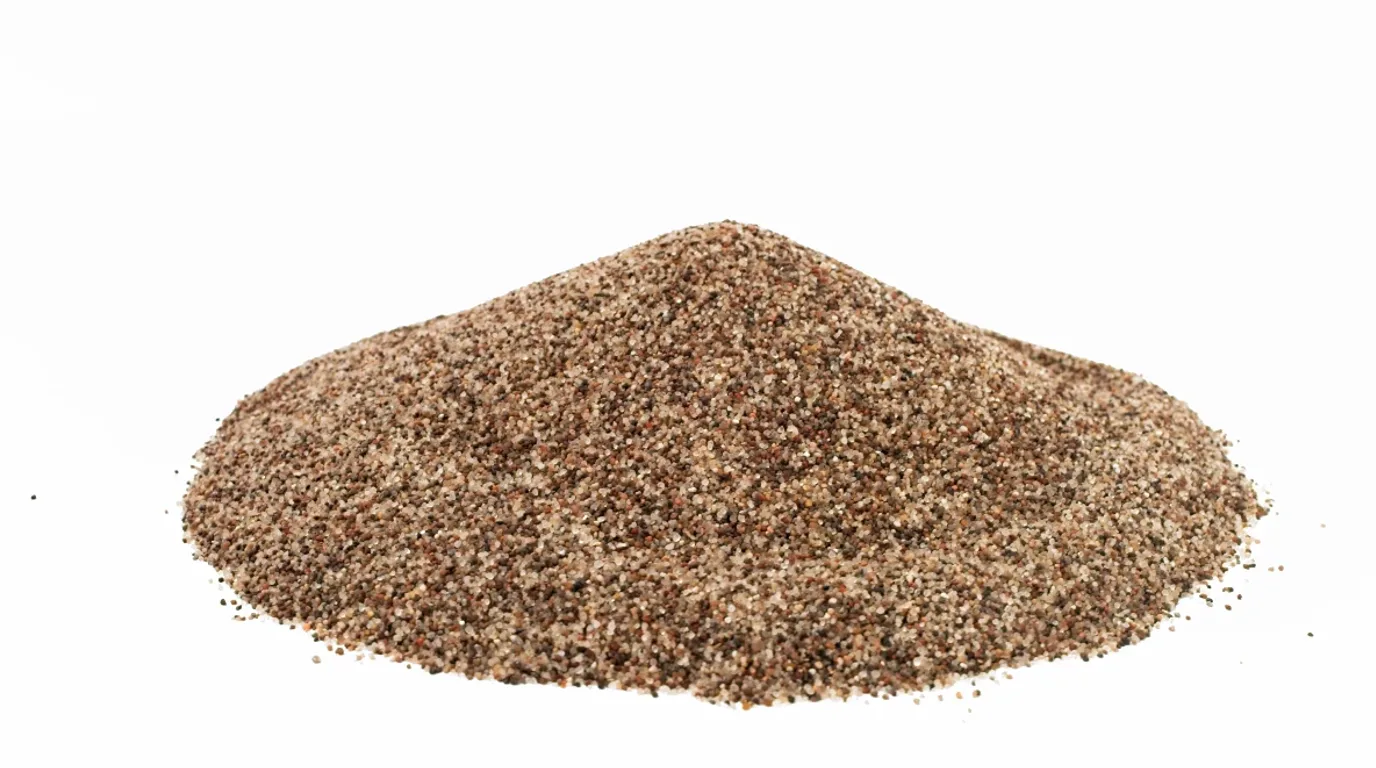
Crumb rubber hasn’t vanished — plenty of sports and commercial jobs still use it well — but residential buyers have mostly moved to coated sand, zeolite, and organic options. I don’t push one product. The right infill depends on the use, the pile height, and what you care about. That’s not a dodge; it’s the actual answer. Browse our current infill options and we’ll send samples if you’re comparing.
The point stands: infill does more for odor and longevity than any blade headline, and it’s the cheapest spec to get right. Don’t let it be the afterthought it usually is.
Sustainability and Recyclable Turf (Honest Version)
The turf industry has had a complicated relationship with sustainability claims, so I’ll keep this one plain.
Recycled content in fiber is more common — some manufacturers blend post-industrial or post-consumer polyethylene into the fiber. It varies a lot by product, so ask for documentation if it matters to you.
End-of-life recyclability is improving but not universal, and anyone who tells you otherwise is selling. Some manufacturers run take-back programs, and mono-material turf — where the fiber and backing share a polymer family — is genuinely easier to recycle than mixed-material product. The mixed stuff is hard to reclaim, which is why this is still a “getting there,” not a “done.” If recyclability is on your list, the EPA’s reduce-reuse-recycle guidance is a sober place to set expectations before a sales sheet talks you into “100% green.”
Here’s the trend I’ll actually stand behind: the water you stop using. A natural lawn in the Phoenix metro drinks serious irrigation through a desert summer. Turf essentially zeroes that out. For the commercial artificial turf projects we supply, the water saved over a 15–20 year lifespan is a real, countable part of the case — not a logo on a banner. Recyclable backing is a nice bonus. Not watering dead grass is the win.
The Realistic Look Trend (Mostly Real)
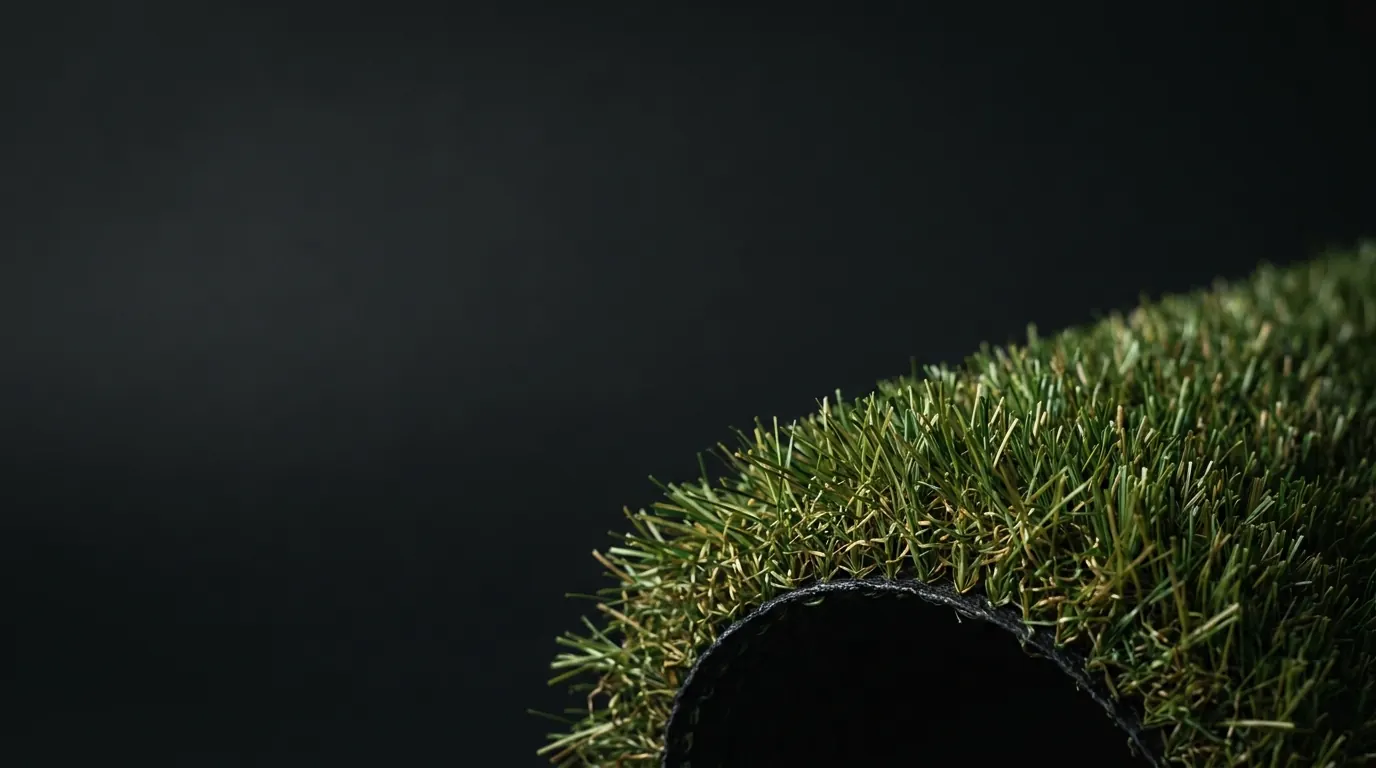
This one is mostly real, with a small asterisk. Multi-tone coloring is now standard at the better end — three or four blended greens, tans, and browns instead of one flat AstroTurf green. From twenty feet you genuinely can’t tell, and that’s not marketing; that’s just better dye work and blade shape doing their job. Add a thatch layer of curled brown fibers at the base and it reads like a lawn that’s been loved, not laid.
The asterisk: “looks exactly like real grass” is doing some heavy lifting in a lot of ads. Up close, in hand, you can still tell — and you should look up close before you buy, which is why we keep sample boards and hand them to you. The realistic-look trend earns its keep. The “you’ll never know the difference” line is the brochure talking again.
Design Trends: How People Actually Use Turf Now
Beyond the materials, the way people design with turf has moved — and these trends are real because they’re driven by customers, not catalogs.
Putting greens are the fastest-growing residential request we see, especially around Scottsdale, Gilbert, and South Mountain. A backyard green adds usable space and resale appeal without the water or mowing of natural grass. (It will not fix your short game. I’ve tested this personally and extensively.)
Rooftop and urban commercial installs have grown a lot. Turf handles rooftop conditions well — UV-stable, drains fast, soft underfoot — and turns a dead hard surface into space people actually use. We work with commercial clients on these regularly.
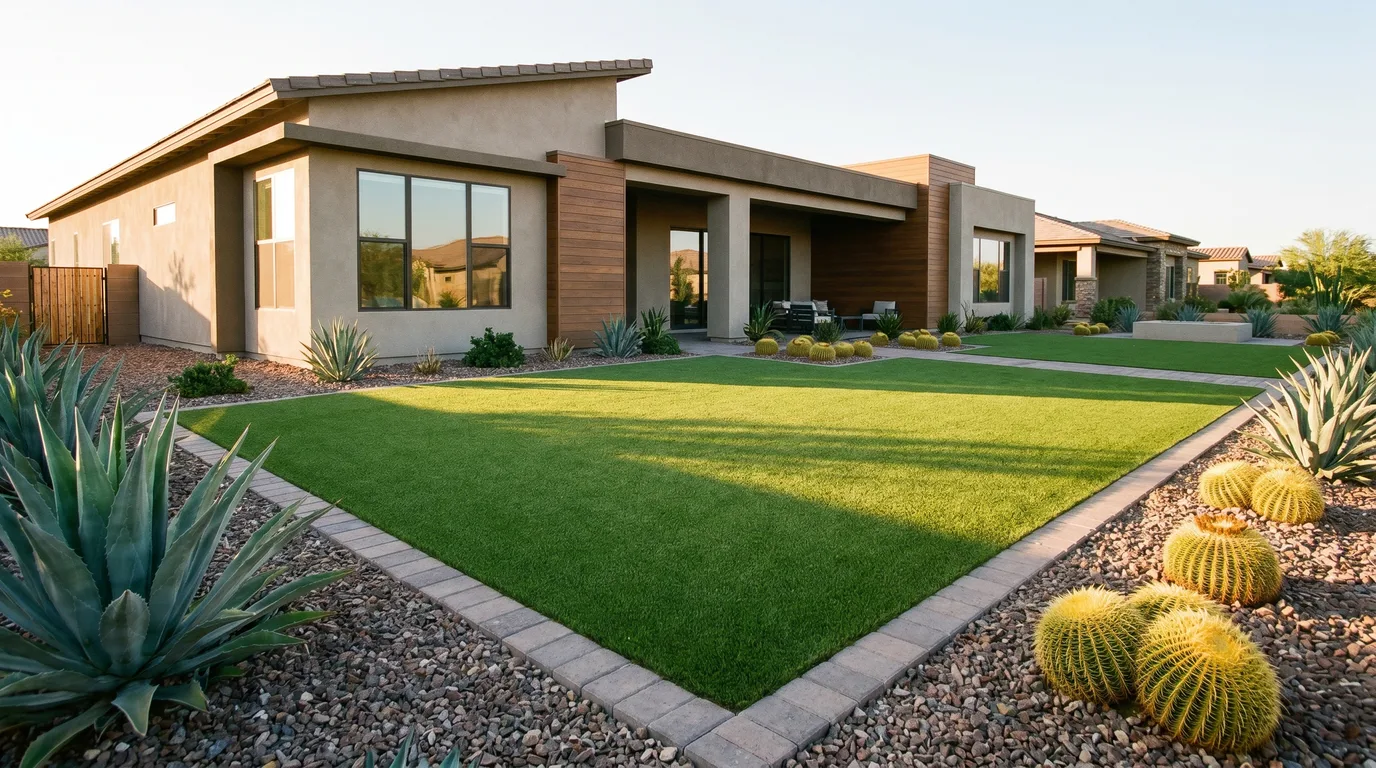
Mixed hardscape-and-turf layouts — turf panels between pavers, flagstone, or decomposed granite — keep climbing in both states. The look is modern, it breaks up a solid sea of green, and it trims material cost. Two birds.
Pet-dedicated zones inside a larger design are standard now. Rather than running pet turf wall to wall, people section off a dog run with perforated backing and antimicrobial infill, then use a different roll for the main lawn. If you’re sketching a layout, our turf project planner is a good place to start.
American-Made vs Imported: Mostly Hype
This comes up constantly, and the honest answer is the unsatisfying one: origin matters less than specs and quality control.
There’s excellent product made domestically and excellent product imported from Europe and Asia. There’s also poor product from all three. What I look at — and what you should ask any supplier — is pile height, backing construction, drainage rate, and what documentation backs the specs. A flag on the label is not a spec.
That said, domestic manufacturers are generally easier to audit and hold accountable, and buying from a local supplier means someone local to call when there’s an issue. We stock turf we’ve personally installed in Arizona and Utah conditions — full-Valley UV, Provo freeze-thaw — because that’s the only filter I trust. The label is marketing. The spec sheet and the warranty are the truth, and every roll we sell carries a 12-year manufacturer warranty.
| Trend | What It Means for Your Yard | Real or Hype |
|---|---|---|
| Cooler multi-tone / W-shaped blades | Lower peak surface temp and a more natural look — paired with light infill and a rinse, not on its own | Real (with limits) |
| Polyurethane drainage backing | Flatter, longer-lasting install on caliche and freeze-thaw ground; the part you never see | Real |
| Antimicrobial / zeolite / organic infill | Better odor control for pets and a lower-synthetic option for kids — the cheapest spec to get right | Real |
| Recyclable / mono-material turf | A fair question to ask, but not universal yet; water savings is the bigger win | Improving |
| 'Looks exactly like real grass' | Multi-tone is genuinely convincing at distance; up close you can still tell | Mostly real |
| 'American-made' as a quality stamp | Origin matters less than pile height, backing, and drainage rate | Mostly hype |
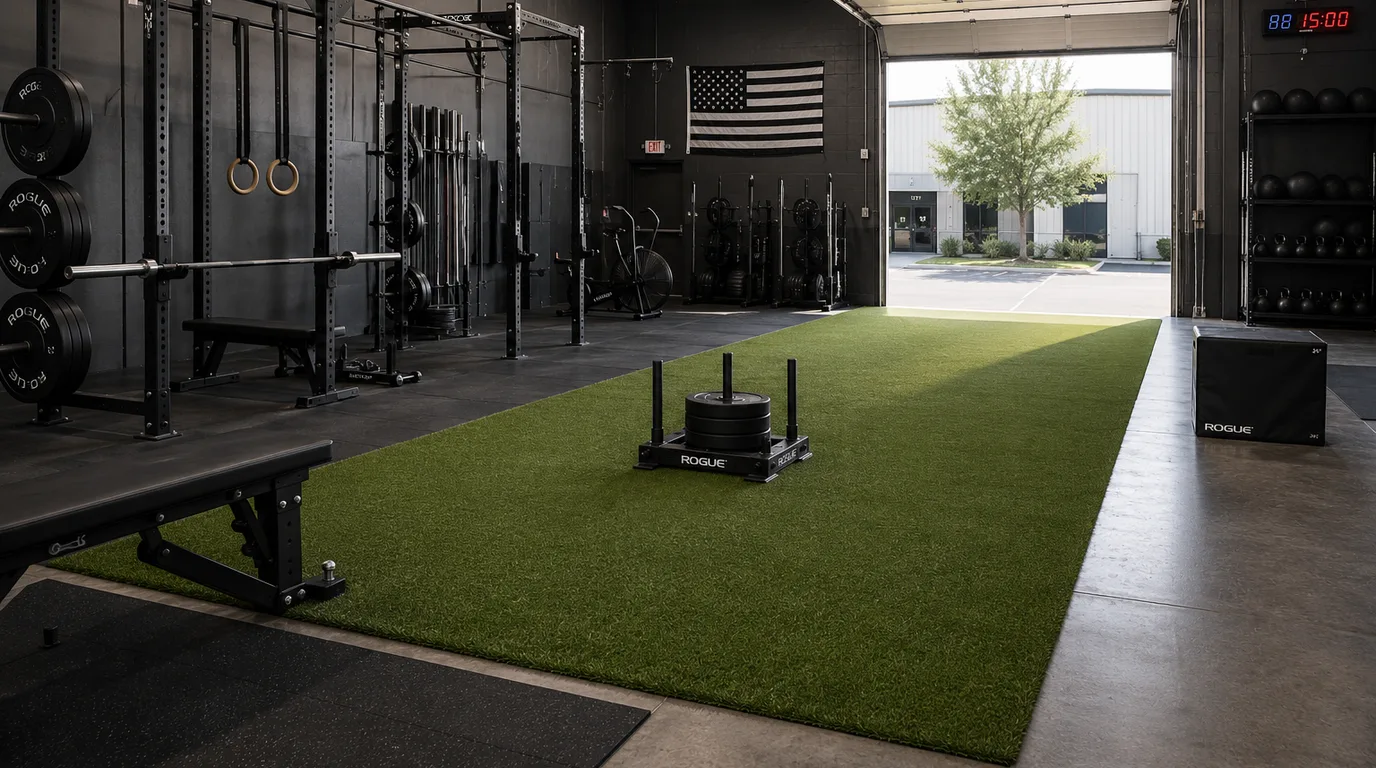
Sort every turf trend by one test: does it fix heat, drainage, dogs, the look, or the water bill — or just the brochure.
Don’t Chase the Buzzword: Common Trend Mistakes
The fastest way to overpay in 2026 is to buy a headline instead of a yard. Here are the trend-chasing mistakes I watch people make.
Buying the Buzzword
Paying a premium for 'next-gen fiber' or a 'stays cool' sticker without checking pile height, backing, or drainage rate. The label is marketing; the spec sheet is the product.
Ignoring the Base
Chasing a fancy blade while skimping on base prep and drainage. The most advanced turf on a bad base still dips, sinks, and pools. The boring layers decide the lifespan.
Overpaying for Marginal Specs
Jumping to the thickest, priciest roll for a low-traffic side yard. A Lush 70 or Lush 80 often outperforms a premium pick in the wrong spot — match the roll to the use, not the catalog.
Treating 'Green' as a Guarantee
Assuming 'recyclable' or 'eco' on the label means it's truly recyclable at end of life. Ask about take-back and mono-material construction before you count on it.
Want the Trends That Fix Your Yard, Not Your Feed?
Tell us your space, your pets, and your budget. We'll match it to real specs and skip the buzzwords — for homeowners and contractors across Arizona and Utah.
- 4.9 from 300+ reviews
- 12-year manufacturer warranty
- Free quote & free sample
- Arizona & Utah
What Customers Say
5.0 from 480+ verified Google reviews
I’m a FLOORING CONTRACTOR and the quality of material that I purchased here was excellent and the price was great. I do appreciate the quality and the timely on the delivery. Everything turned out great thank you.
I had messaged their sales rep on a Sunday, and they were quick with their response time and actually had my delivery next day! They’re very knowledgeable in what turf worked best for my needs and what aesthetic I wanted. 10/10 communication, 10/10 material, and 10/10 in delivery. I look forward to my next project with them!
Expert Tips
— Bennett Brown, Co-Founder
Read the Backing, Not the Blade
The blade is the photo; the backing is the lifespan. Ask for the drainage rate and the backing type before you fall for the color. PU backing with real drainage holes is what keeps an install flat for a decade.
Pair a Cool Blade With Light Infill
A heat-reducing W-Blade does its best work next to a lighter-colored infill, not black crumb rubber. The blade and the infill cool the system together — one without the other leaves performance on the table.
Match the Roll to the Use
A premium C-blade is gorgeous and wrong for a hard-traffic dog run. Lush 70, Lucky 77, and Lush 80 use a W-Blade that stands up to traffic. Don't overpay for plushness in a spot that needs durability.
Ask 'Recyclable How' Before You Pay for It
If end-of-life matters to you, ask about take-back programs and mono-material construction specifically. 'Eco' on a label isn't a recycling plan.
Count the Water, Not the Logo
The most reliable sustainability number is the irrigation you stop using. On a commercial job, water saved over 15–20 years is a real line item — frame the ROI there, not on a green sticker.
Look Up Close Before You Buy
Multi-tone turf is convincing from twenty feet and still readable in your hand. Get a sample, look at it close, walk on it. The 'you'll never tell' claim is the only part of the realistic-look trend I'd argue with.
— Bennett Brown, Co-Founder
Related Services
Chasing turf trends is easy; buying the ones that fix your yard is the trick. We supply turf, base, and infill — with the straight answers and free samples — across the Arizona service area from our Mesa yard and across Utah from Provo. Swing by, put your hand on a few rolls, and ask us which trends are real and which are just nicely lit. Call Mesa at (480) 910-2440 or Provo at (385) 335-9042. We’ll help you pick it, price it, and load it — and we’ll throw in a free opinion on every buzzword, whether you asked for it or not.